
We put extra care and attention into breeds deemed at-risk by the Livestock Conservancy. As an organization, they categorize risk levels for animals, and help track recovery progress. Breeds on the Critical or Threatened lists are priorities for our breeding program.
Please consider becoming a member of the Livestock Conservancy, supporting their work conserving over 150 breeds of livestock from extinction.
conservation breeds

Cotton Patch Geese
Status: Threatened
Cotton Patch Geese were recently upgraded from Critical (est. less than 500 globally) to Threatened (est. less than ~5,000 globally) by the Livestock Conservancy, in large part due to farmers investing deeply in their continuation. There are several founders flocks today, but our geese come from the Norman line of founders. Cotton Patch geese are auto-sexing, meaning you can tell at hatch which are males vs females. This makes it easier to ensure goslings are going to new farms as breeding pairs.
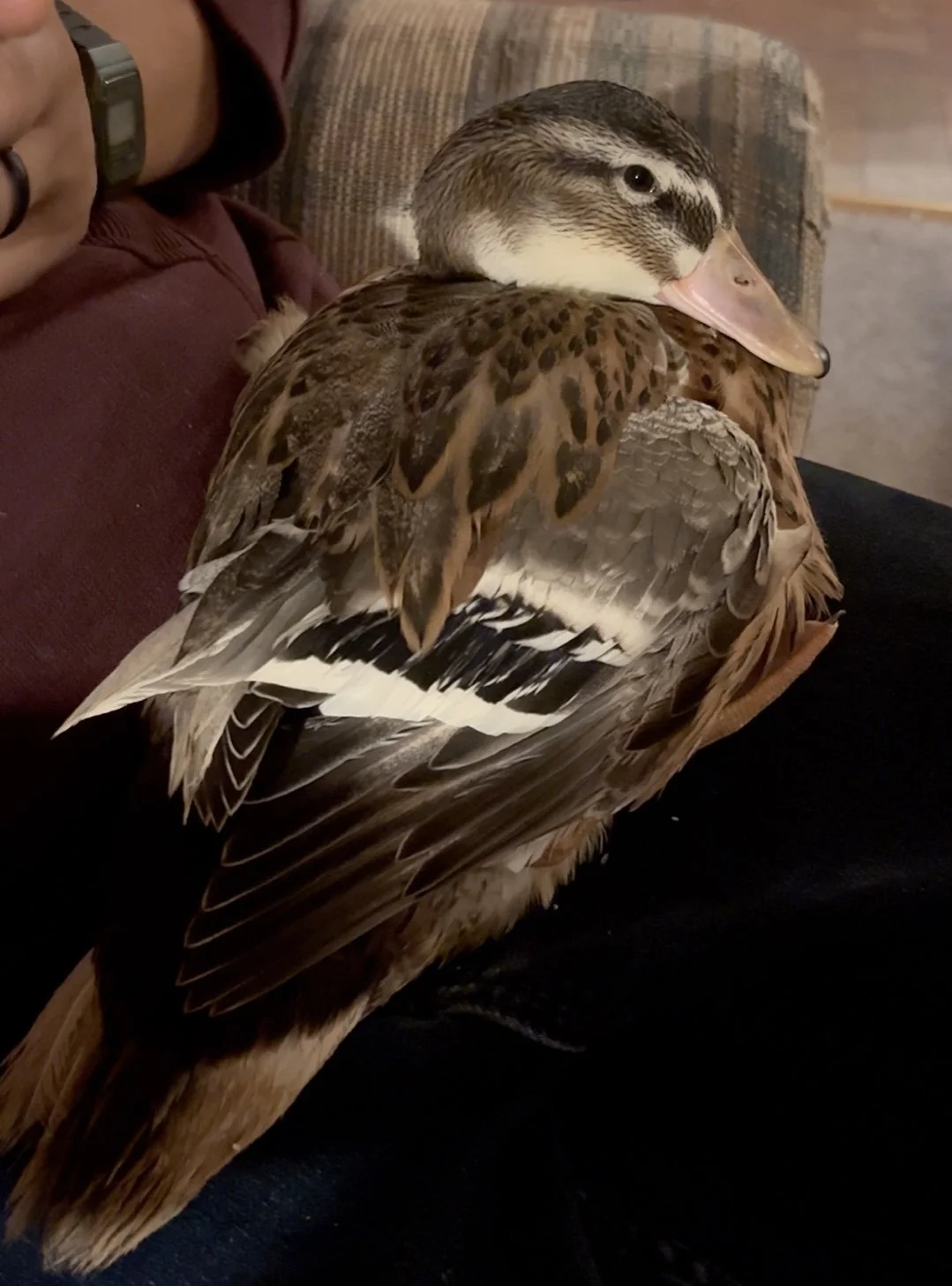
Australian Spotted Duck (Bantam)
Status: Critical
All the personality of a Call duck with the laying power nearly equal to some standard size breeds. They also tend to be quieter and more hardy than their Call ancestors. Developed in the 1920s, today their numbers are in gradual decline.
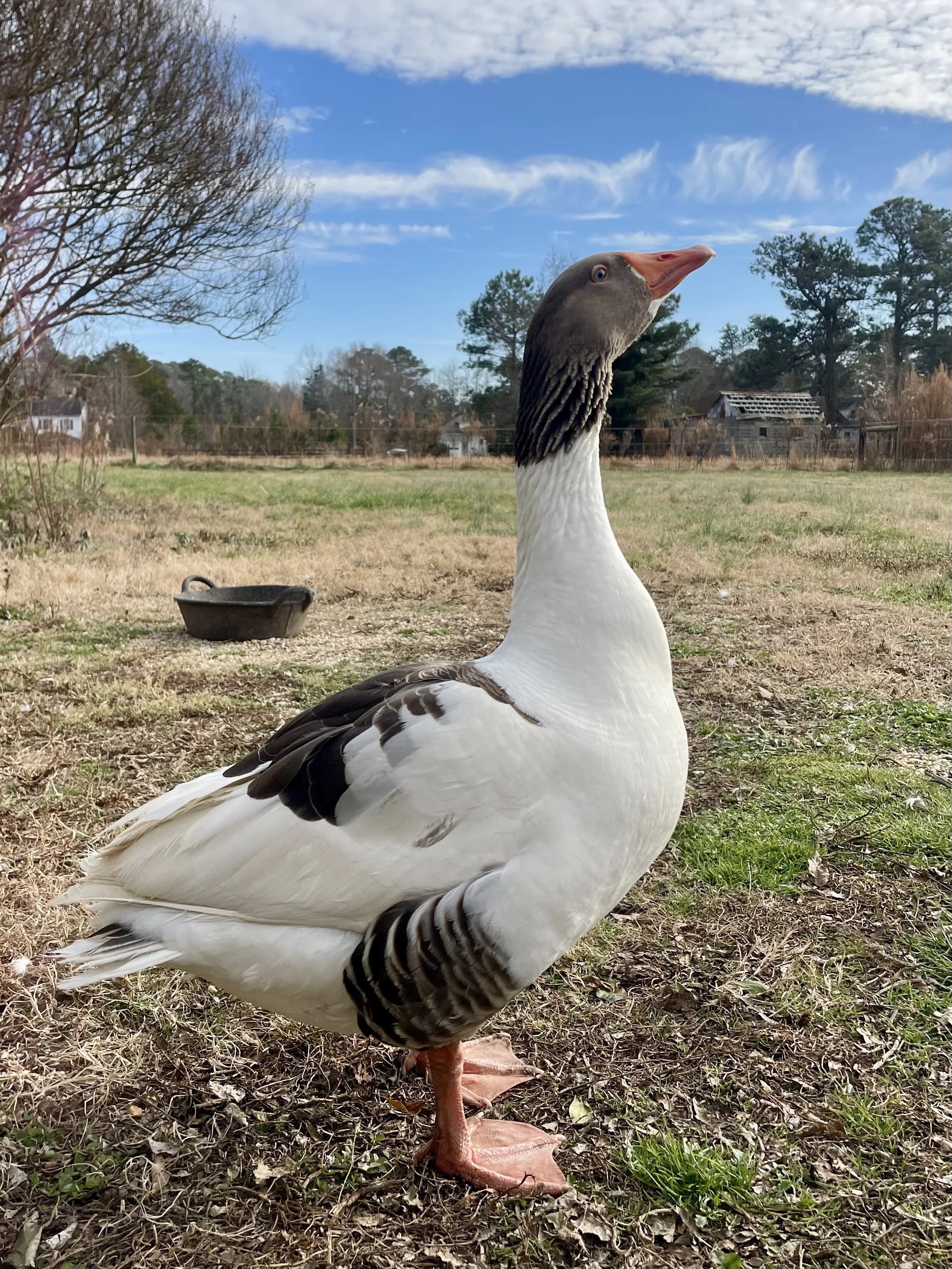
Pomeranian Geese
Status: Critical
We currently only have one gander and are actively looking for breeding females to add to our program for this gregarious goose. A German breed prized for its dual-purpose utility and alertness, they were brought over to the United States in the early 1900s.
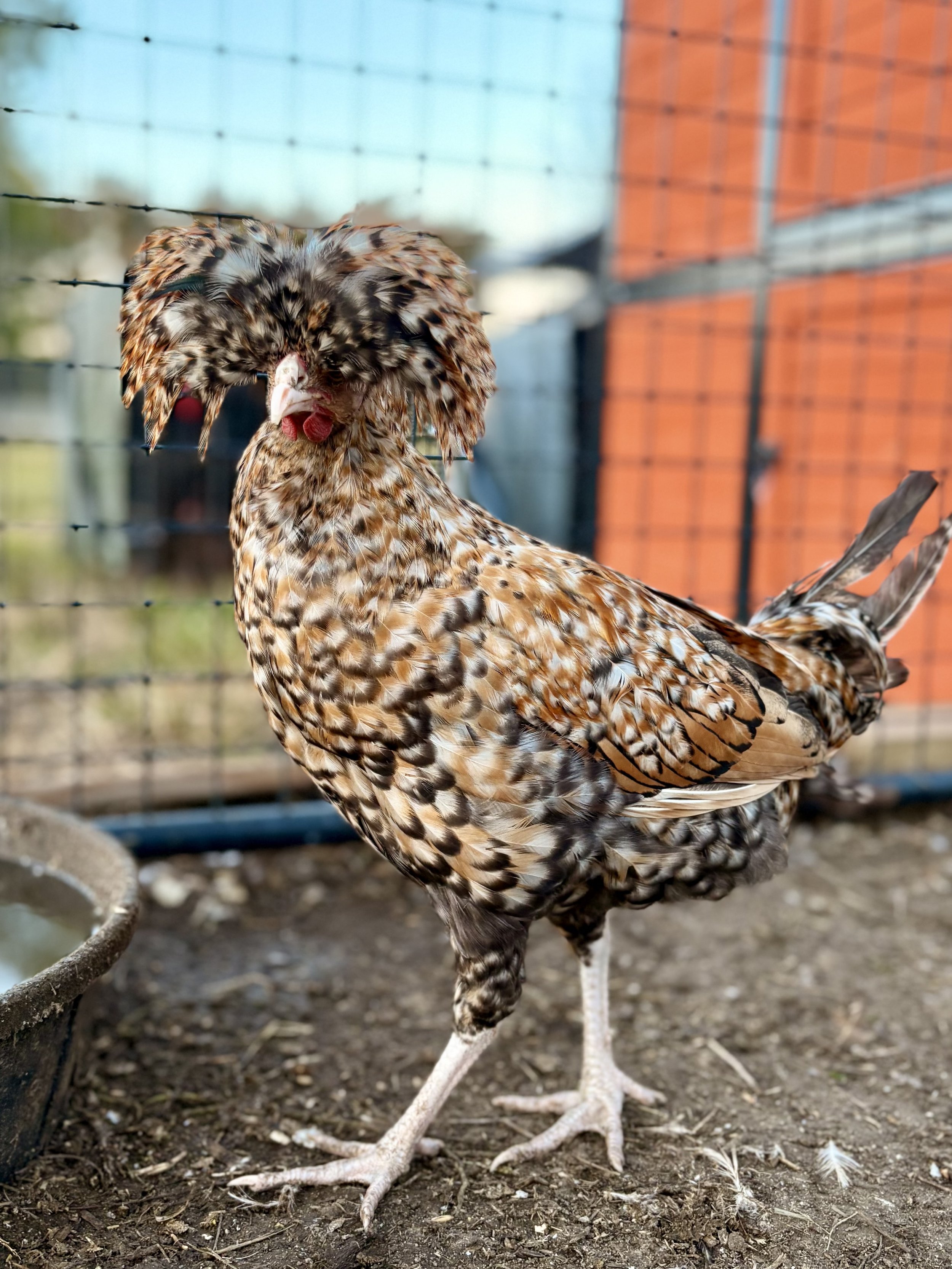
Polish Chickens
Status: Recovering
Polish chickens were previously on the watchlist, but have been recovering in numbers. Their unique appearance, diversity of color, and quirky nature has made them a popular breed of backyard chicken keepers in recent years.
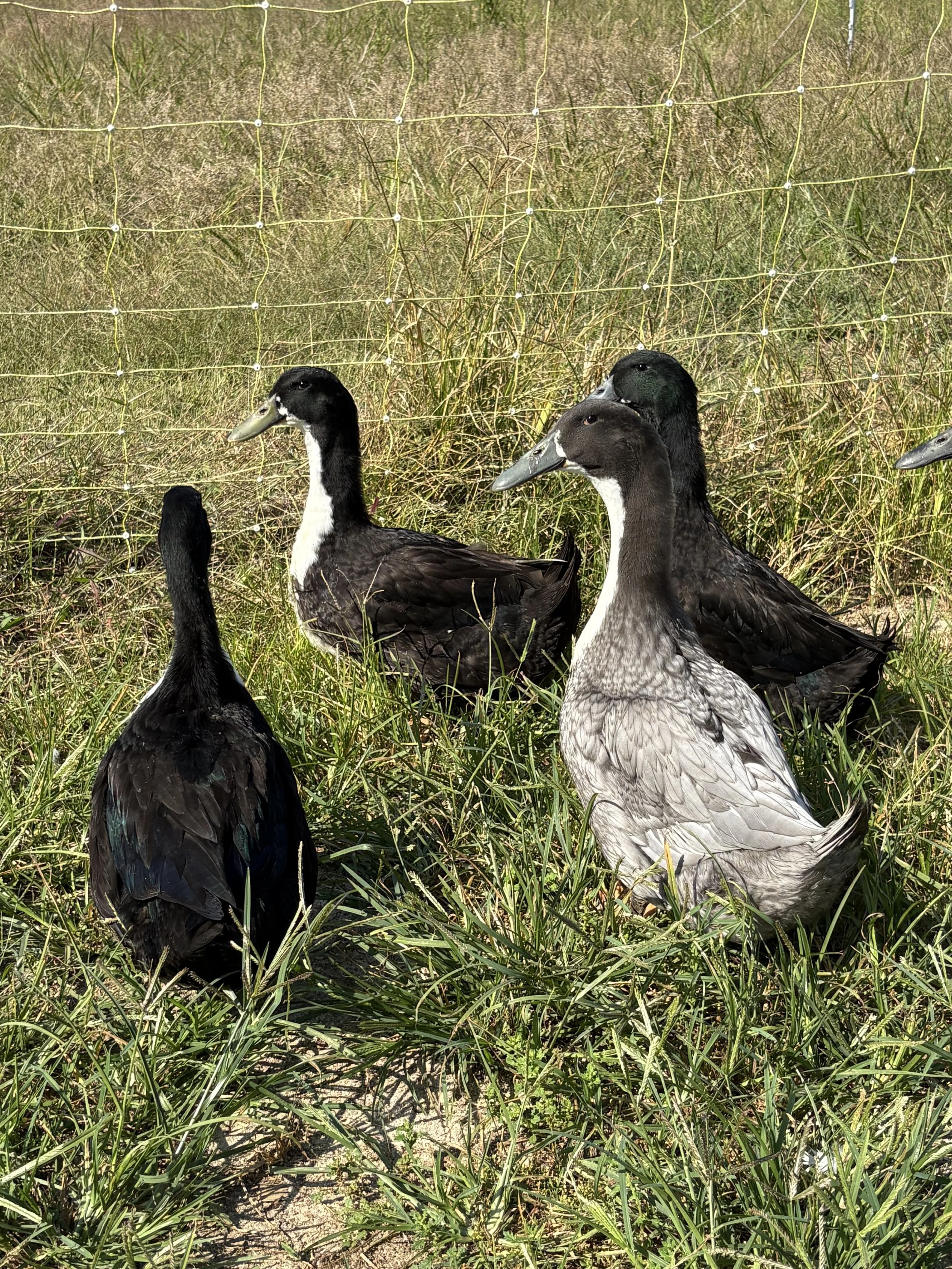
Swedish Ducks
Status: Watch
The perfect homesteading duck — cute, practical, and personable. Our Swedish ducks come in three different color varieties: Blue, Black, and Splash, though Blue is the only color accepted by the APA for show. They have been upgraded to “watch” status, as they’ve had success increasing their presence on US farms and in backyard flocks.
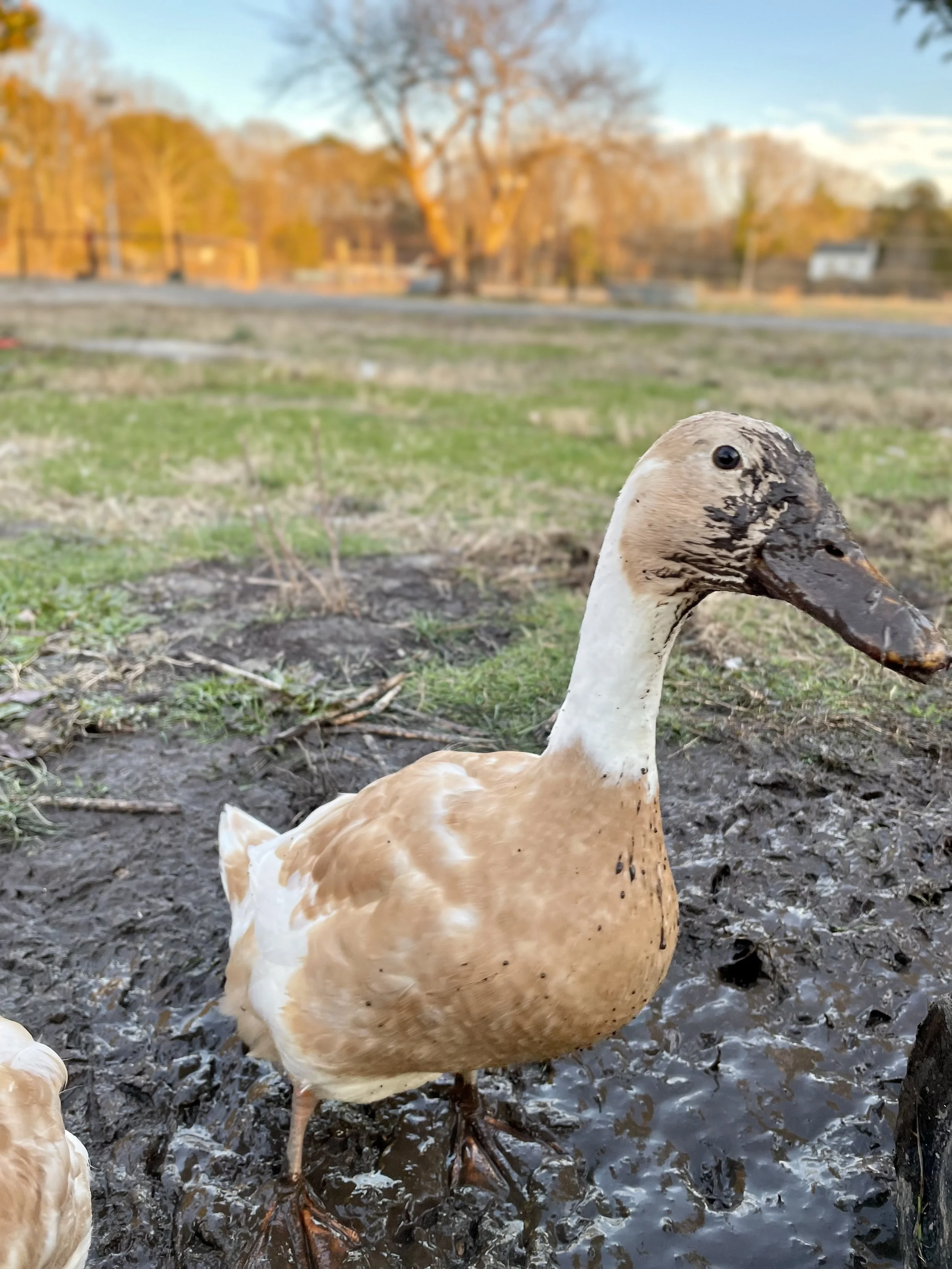
Indian Runner Duck
Status: Recovering
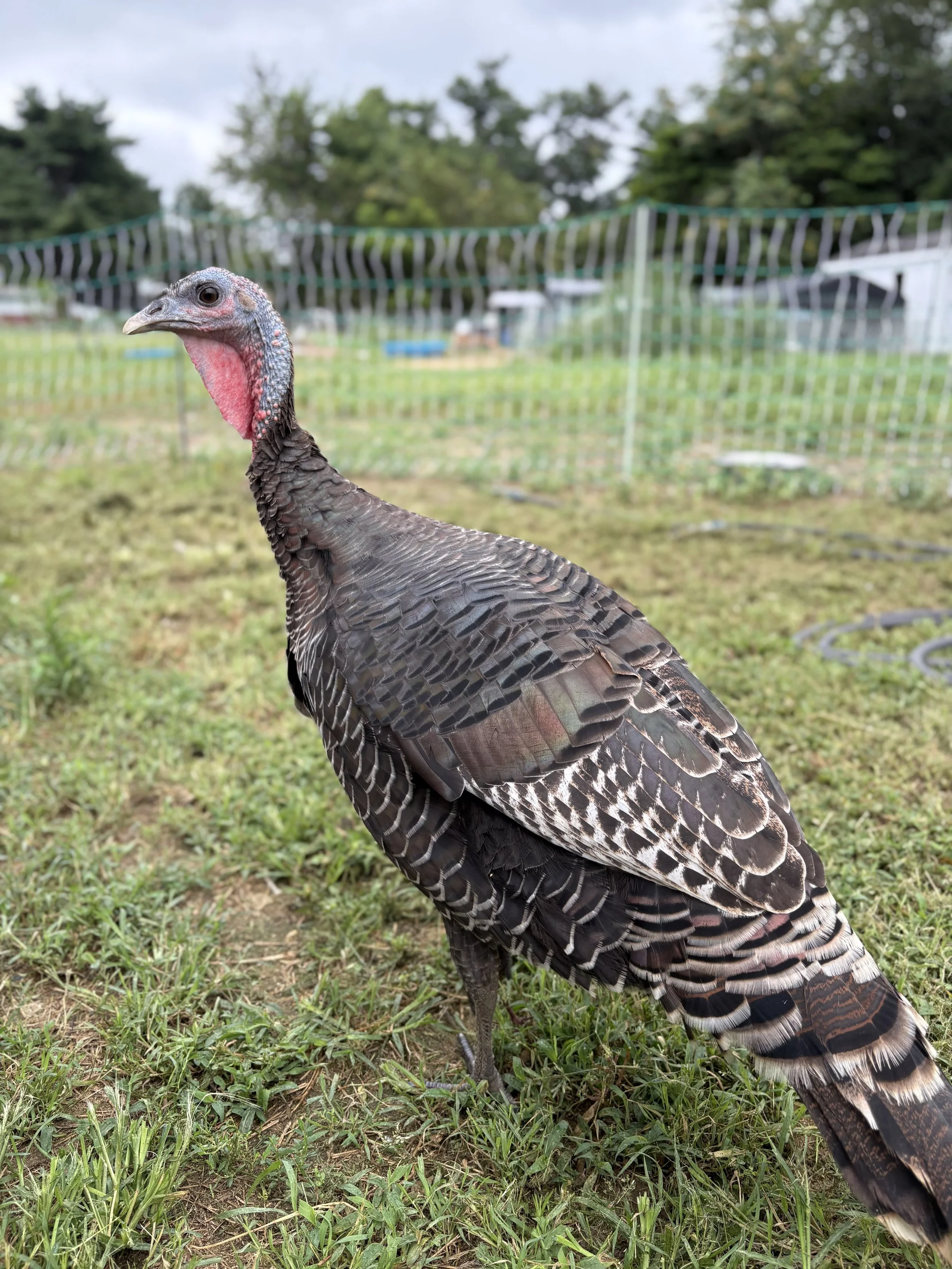
Meet the ultimate forager: the Indian Runner duck. Bred specifically to work rice patties in south Asia, these ducks are excellent pest control in the garden. We currently keep the Fawn & White, Black, Blue, and Silver varieties.
Heritage Bronze Turkey
Status: Watch
The turkeys you are used to seeing on TV being pardoned for thanksgiving are genetic monstrosities known as Broad-Breasted types. Factory farming has caused healthier, slower growing heritage varieties to fall out of favor since their inception in the mid 20th century.